
 08 Jan 2026
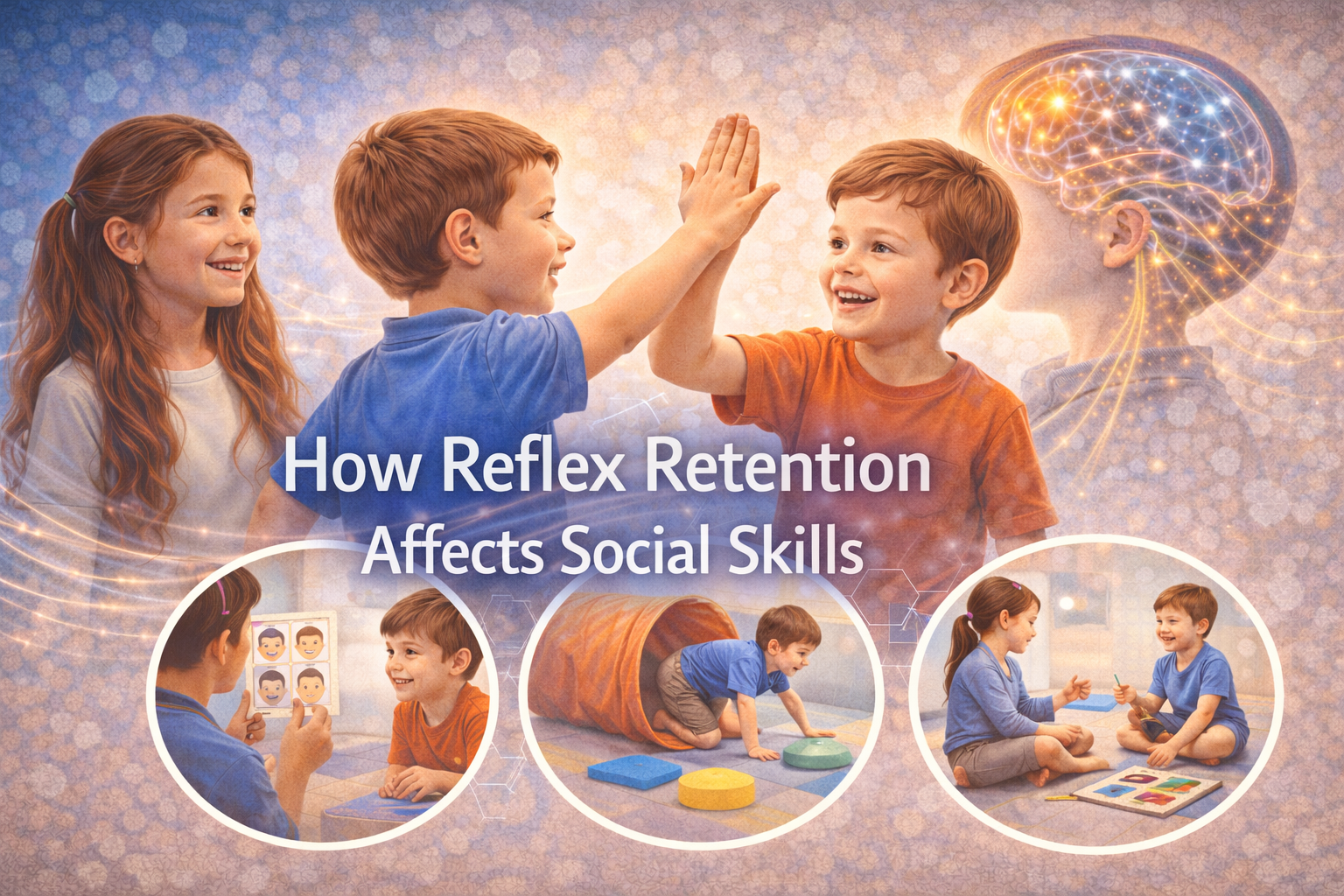
How Reflex Retention Affects Social Skills
Social interaction is a cornerstone of childhood, but for children with retained primitive reflexes (RPRs), building relationships can feel like an uphill climb. These lingering reflexes, which are typically integrated during infancy, can disrupt the brain’s ability to process sensory input and regulate emotions—key components of social engagement.
The Connection Between Reflexes and Social Skills
Primitive reflexes originate in the brainstem and help infants respond to their environment. For example, the Moro reflex triggers a startle response to sudden stimuli, while the Palmar Grasp reflex allows babies to hold objects. As the brain matures, these reflexes are replaced by more advanced, voluntary behaviours.
When reflexes persist beyond infancy, they can interfere with the development of critical social skills. Children may struggle with:
- Reading social cues: Difficulty interpreting facial expressions or body language.
- Maintaining attention: Challenges in staying engaged during conversations or group activities.
- Emotional regulation: Overreacting to minor frustrations or stimuli.
These challenges can lead to feelings of isolation and frustration, both for the child and their family.
Therapies to Support Social Development
Addressing RPRs through targeted therapies can significantly improve a child’s social skills. These interventions may include:
- Sensory integration therapy: Activities that help the brain process sensory input more effectively, reducing overwhelm in social situations.
- Role-playing games: Practicing social scenarios in a safe, supportive environment.
- Movement-based exercises: Activities like crawling or balancing that integrate reflexes and enhance brain connectivity.
As reflexes integrate, children often become more attuned to their environment, making it easier to connect with peers and caregivers.
Building Confidence Through Social Growth
Parents and guardians can play a key role in fostering their child’s social skills. Simple strategies, such as setting up playdates, practising eye contact, or using visual aids to explain emotions, can make a significant difference.
Over time, children who address their reflex retention often show greater confidence and enjoyment in social settings. By helping them navigate the complexities of interaction, families can empower their children to build meaningful relationships.
The Path to Connection
Social skills are learned and practised, and for children with RPRs, the journey may take a little longer. But with the right support, they can develop the tools they need to connect, communicate, and thrive. Every small step forward brings them closer to building lasting relationships and enjoying the world around them.
Uncategorized
COMMENTS: No Comments
 08 Jan 2026
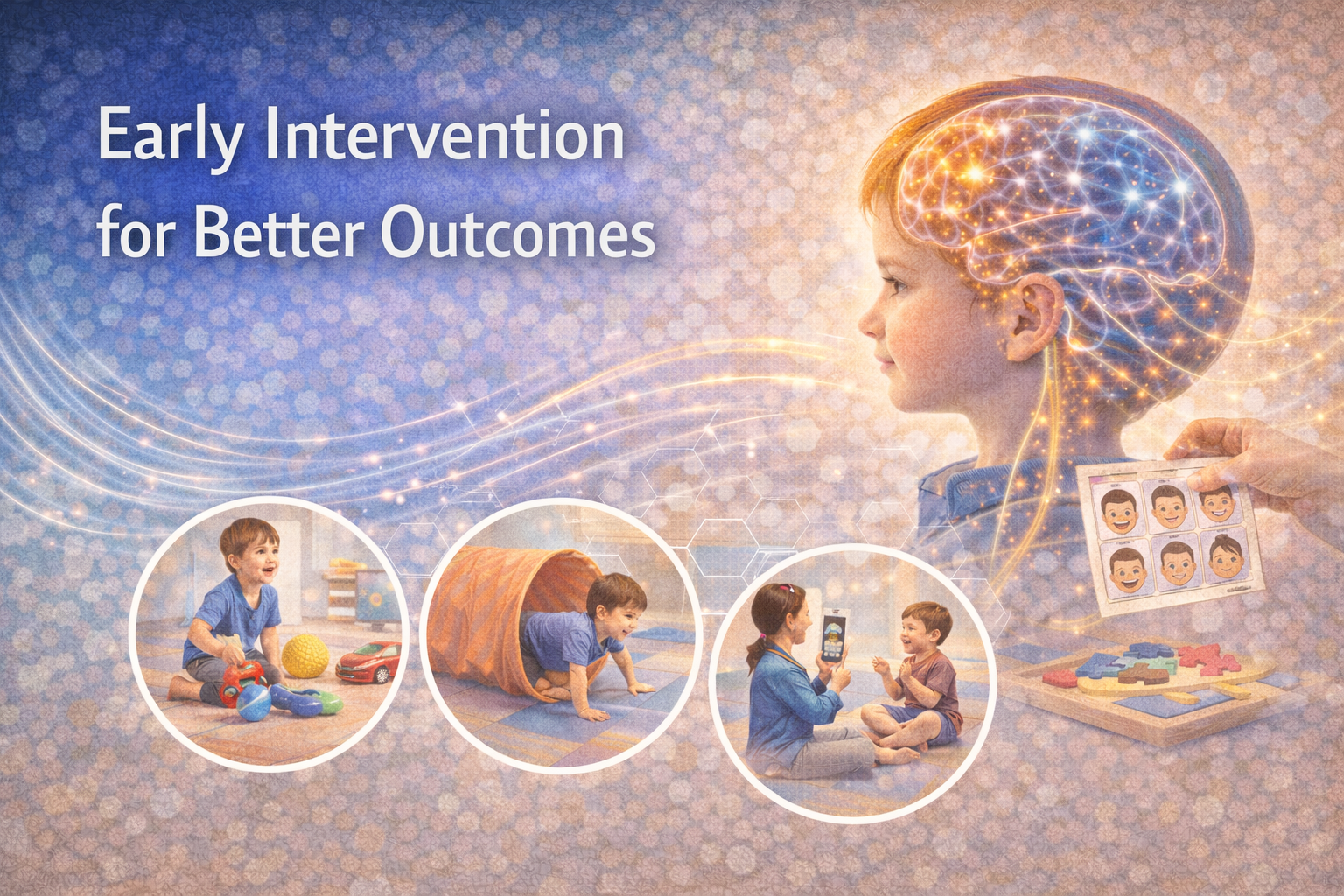
Early Intervention for Better Outcomes
For parents and guardians of children with developmental delays or autism spectrum disorder (ASD), early intervention can be a game-changer. The first few years of life are critical for brain development, as the brain’s plasticity is at its peak. Introducing targeted therapies during this period can unlock considerable progress in motor skills, social interaction, and cognitive abilities.
Why Early Intervention Matters
In the early years, the brain undergoes rapid growth and development. Neural connections form at an astonishing rate, laying the groundwork for future learning and behaviour. For children with ASD or retained primitive reflexes (RPRs), this period provides a unique opportunity to address developmental gaps.
Delays in seeking intervention can result in missed opportunities to leverage the brain’s natural adaptability. Early therapy not only helps mitigate challenges but also builds a stronger foundation for lifelong growth.
Key Areas of Focus
Early intervention programs often target the following areas:
- Communication: Encouraging verbal and nonverbal expression to build social skills.
- Motor skills: Activities like crawling or balancing to integrate reflexes and improve coordination.
- Emotional regulation: Teaching strategies to manage sensory overload and reduce meltdowns.
- Cognitive development: Strengthening problem-solving and attention through structured play.
These therapies are tailored to the child’s specific needs, ensuring they receive the support they require to thrive.
The Role of Parents in Early Intervention
Parents and caregivers play a vital role in early intervention. By observing their child’s behaviour and milestones, they can identify potential concerns early. Simple activities at home, such as playing with sensory toys, reading together, or encouraging movement, can complement professional therapy and reinforce progress.
The Benefits of Starting Early
Children who receive early intervention often experience:
- Improved communication: Greater ability to express needs and connect with others.
- Enhanced learning: Stronger focus and problem-solving skills in school settings.
- Increased independence: Better coordination and confidence in navigating daily tasks.
For families, early intervention not only fosters their child’s development but also provides tools to navigate challenges more effectively.
A Brighter Future Awaits
The journey of early intervention is one of hope and possibility. With the right support, children with developmental delays or ASD can achieve remarkable milestones, laying the groundwork for a fulfilling life. If you have concerns about your child’s development, consulting a specialist can be the first step toward a brighter future.
Uncategorized
COMMENTS: No Comments
 07 Jan 2026
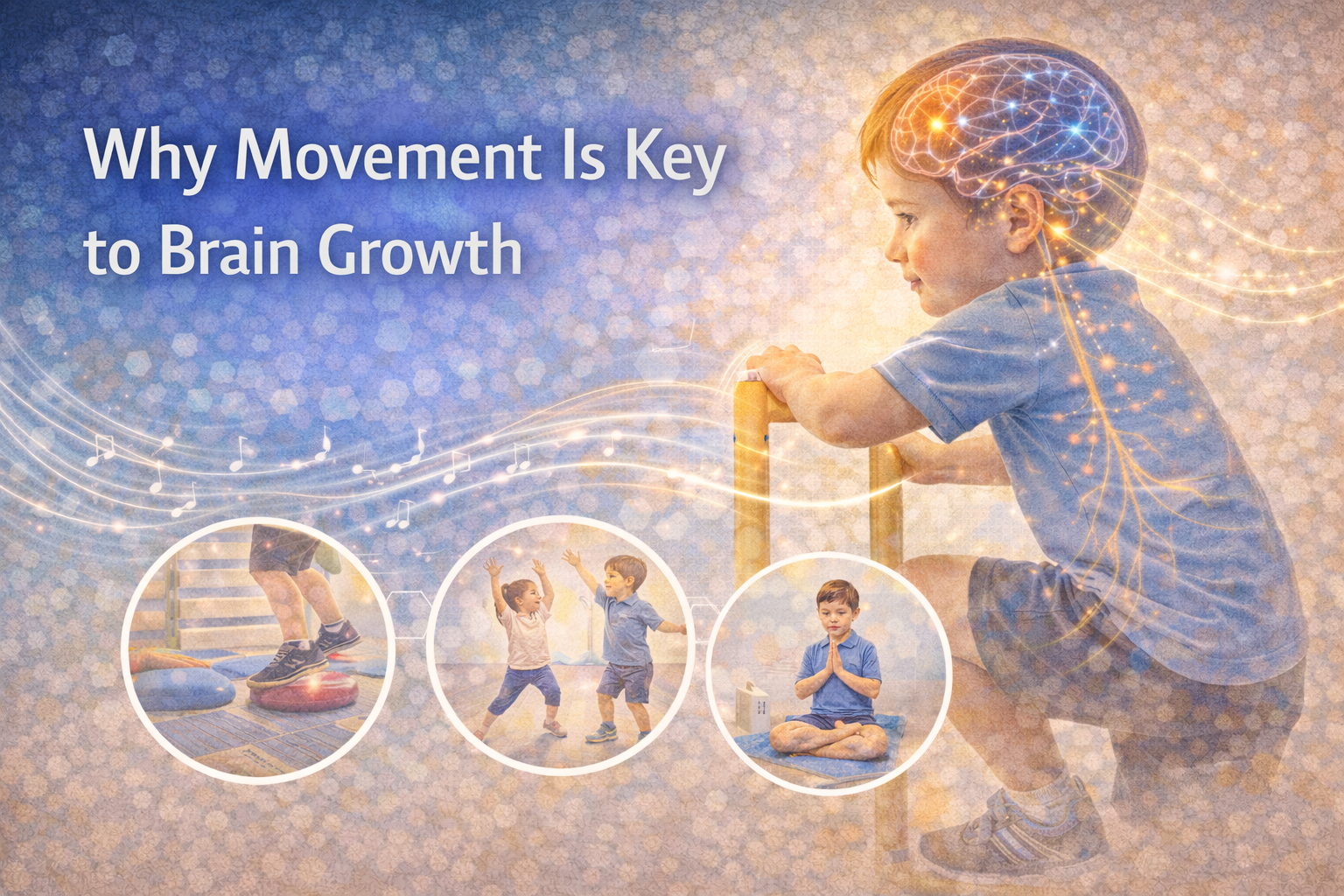
Why Movement Is Key to Brain Growth
For children, movement is much more than a way to explore their environment—it’s a crucial driver of brain development. This connection is especially important for children with developmental delays or autism spectrum disorder (ASD), as engaging in purposeful movement can help bridge gaps in motor, cognitive, and emotional skills.
How Movement Shapes the Brain
From crawling to running, physical activity activates neural pathways that connect different regions of the brain. These connections support everything from balance and coordination to problem-solving and social interaction. For children with retained primitive reflexes (RPRs), movement-based exercises can help integrate these reflexes, freeing up the brain to focus on more advanced tasks.
Research shows that movement stimulates the release of neurotrophic factors—proteins that encourage the growth of new brain cells and strengthen existing connections. This makes movement a powerful tool for enhancing neuroplasticity, especially in children whose development is uneven or delayed.
Movement and Retained Reflexes
For children with RPRs, targeted exercises can help integrate these reflexes, laying a stronger foundation for motor skills. Activities like crawling, balancing, or rhythmic movement replicate the natural motions babies use to develop their brains. Over time, these exercises encourage the brain to rewire itself, improving coordination and reducing challenges related to reflex retention.
Practical Activities for Families
Parents can incorporate movement into their child’s routine in fun and engaging ways:
- Obstacle courses: Encourage climbing, crawling, and balancing for a full-body workout.
- Dancing: Rhythmic movements stimulate the brain’s timing centres.
- Yoga: Gentle stretches and poses build strength, flexibility, and focus.
These activities not only support brain development but also create opportunities for bonding and play.
The Benefits of Active Play
Children who engage in regular movement often show improvements in:
- Coordination and balance: Reduced clumsiness and better control over their bodies.
- Attention and focus: Enhanced ability to stay on task.
- Emotional well-being: Increased confidence and reduced anxiety.
Empowering Growth Through Movement
By incorporating purposeful movement into daily life, families can support their child’s brain development in meaningful ways. Whether it’s through structured exercises or spontaneous play, these activities open doors to learning, growth, and joy.
Uncategorized
COMMENTS: No Comments
 07 Jan 2026
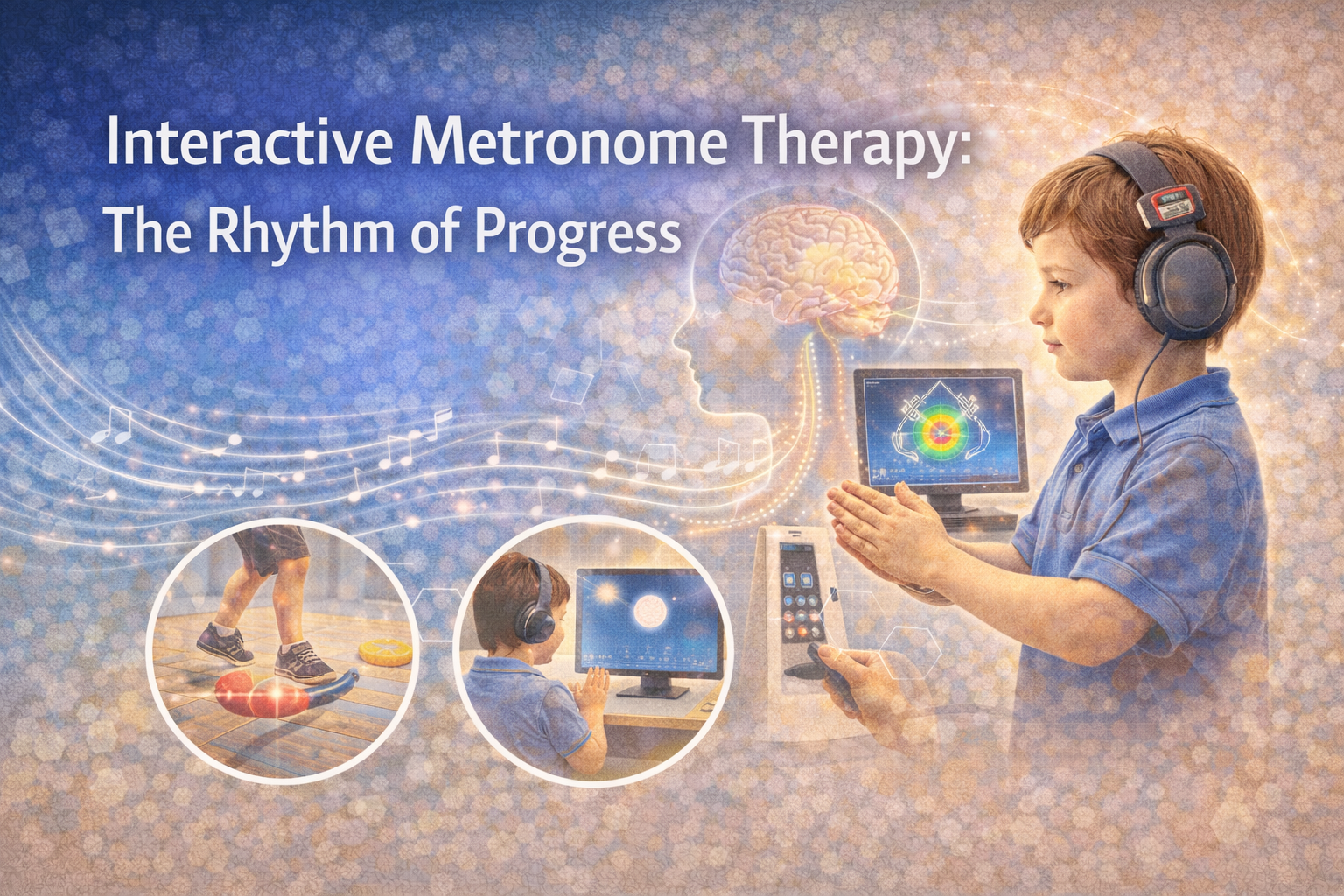
Interactive Metronome Therapy: The Rhythm of Progress
In a world filled with distractions, maintaining focus and coordination can be especially challenging for children with autism spectrum disorder (ASD) or attention deficit hyperactivity disorder (ADHD). Interactive Metronome (IM) therapy, an innovative, rhythm-based intervention, is helping children improve their attention, timing, and motor coordination in a fun and engaging way.
What Is Interactive Metronome Therapy?
Interactive Metronome therapy uses a computer-based program to help children synchronise their movements to a rhythmic beat. During sessions, children perform tasks like clapping or tapping their feet in time with auditory cues, receiving real-time feedback to adjust their movements.
The goal is to strengthen the brain’s ability to process timing, which plays a critical role in focus, impulse control, and coordination. Research shows that improving timing can enhance the brain’s neural connectivity, leading to better performance in everyday tasks and academic settings.
Benefits for Children with Developmental Challenges
IM therapy targets several key areas of development:
- Improved focus: The rhythmic exercises train the brain to sustain attention over time.
- Enhanced motor skills: By coordinating movements with a beat, children develop better balance and fine motor control.
- Better impulse control: Learning to wait for the right moment to act helps children regulate their responses.
- Increased confidence: As children master the exercises, they build self-esteem and a sense of accomplishment.
For children with ASD, ADHD, or retained primitive reflexes, IM therapy provides a structured yet adaptable approach to building critical skills.
The Science Behind the Rhythm
IM therapy leverages the brain’s neuroplasticity to create stronger connections between its timing centres. These include the cerebellum, which regulates movement, and the prefrontal cortex, responsible for attention and decision-making. Strengthening these pathways helps children process information more efficiently and respond to their environment with greater precision.
A Fun and Interactive Experience
One of the greatest advantages of IM therapy is its engaging nature. Children often view the sessions as games, making it easier for them to stay motivated. The combination of challenge and reward keeps them invested in their progress, whether they’re working on focus, coordination, or emotional regulation.
Unlocking Potential Through Rhythm
Interactive Metronome therapy is an exciting tool for families seeking innovative ways to support their child’s development. By tapping into the power of rhythm, it helps children gain the skills and confidence they need to navigate their world more effectively.
Uncategorized
COMMENTS: No Comments
 07 Jan 2026
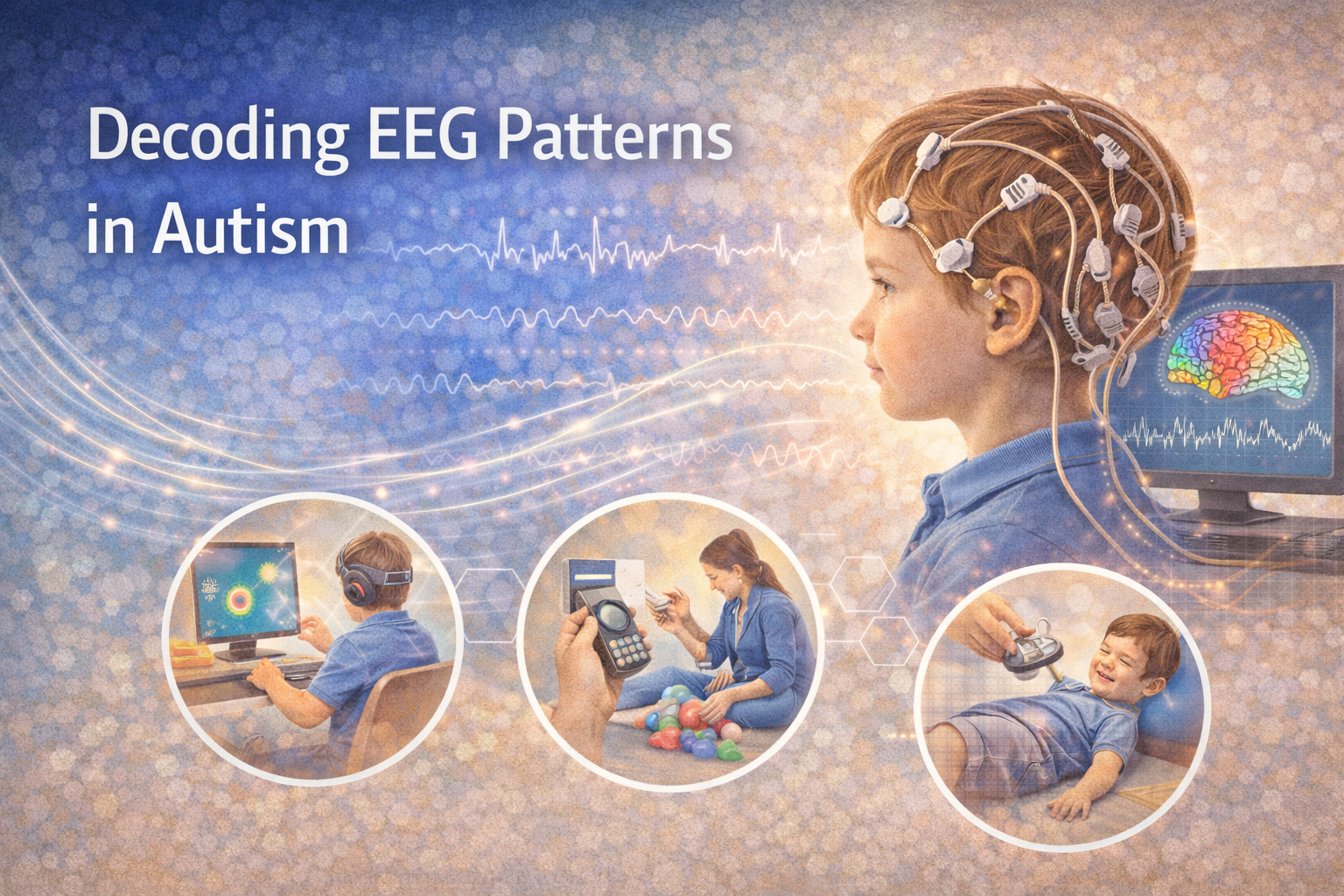
Decoding EEG Patterns in Autism
Quantitative electroencephalography (qEEG) is a groundbreaking tool in understanding autism spectrum disorder (ASD). By analysing brainwave activity, qEEG provides valuable insights into how the brains of children with ASD function differently. This information not only helps guide therapy but also offers hope for families seeking to better understand their child’s unique needs.
What Is qEEG?
EEG, or electroencephalography, measures electrical activity in the brain. qEEG takes this a step further by analysing patterns in brainwaves, such as their frequency and connectivity between different regions of the brain. For children with ASD, qEEG often reveals key differences, including:
- Underconnectivity in long-range networks: This can affect communication between brain regions, leading to challenges in focus and social interaction.
- Overconnectivity in short-range networks: This may contribute to repetitive behaviours and difficulty adapting to change.
- Imbalances in brainwave frequencies: For example, excess high-frequency activity might correlate with hyperactivity or anxiety.
These patterns help clinicians identify specific areas of the brain that may benefit from targeted therapies.
How qEEG Guides Treatment
qEEG results can be used to develop personalised intervention plans. For example:
- Neurofeedback therapy: By training children to regulate their brainwave activity, neurofeedback can improve focus, reduce anxiety, and enhance emotional regulation.
- Sensory-based interventions: Understanding how sensory processing is affected by brainwave imbalances helps therapists design activities to promote better integration.
- TENS therapy: Transcutaneous electrical nerve stimulation (TENS) has shown promise in reducing reflex retention and improving brainwave synchronisation.
These therapies leverage the brain’s neuroplasticity, encouraging it to rewire and develop more balanced patterns.
The Benefits of Understanding Brain Activity
For parents and guardians, qEEG offers a tangible way to see how therapy is impacting their child’s brain. Tracking progress over time provides reassurance and motivation, as changes in brainwave patterns often align with improvements in behaviour and skills.
A New Frontier in Autism Treatment
qEEG is opening doors to more precise, effective treatments for children with ASD. By understanding the unique ways their brains function, families and clinicians can work together to provide the support children need to thrive.
Uncategorized
COMMENTS: No Comments
 07 Jan 2026
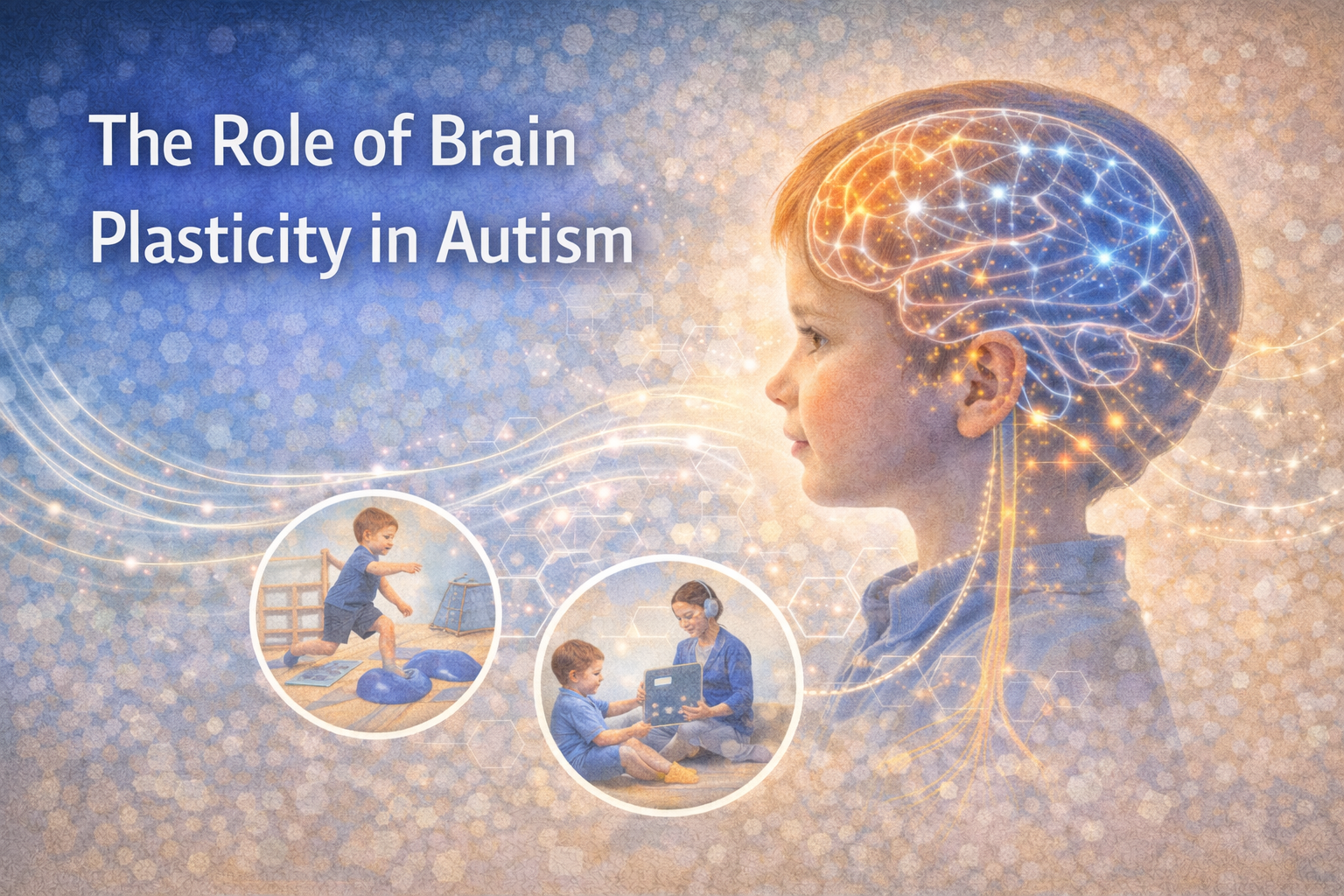
The Role of Brain Plasticity in Autism
The human brain is a remarkable organ, capable of adapting and rewiring itself throughout life. This adaptability, known as neuroplasticity, is especially crucial for children with autism spectrum disorder (ASD) or developmental delays. For these children, therapies that leverage neuroplasticity can lead to significant improvements in communication, motor skills, and emotional regulation.
What Is Neuroplasticity?
Neuroplasticity refers to the brain’s ability to reorganise itself by forming new neural connections. It allows the brain to adapt to new experiences, recover from injury, and learn new skills. In children with ASD, certain brain regions may develop unevenly, leading to challenges in sensory processing, social interaction, and motor coordination.
Therapies that stimulate neuroplasticity aim to balance these areas of the brain, fostering better integration and synchronisation. This is particularly relevant for children with retained primitive reflexes (RPRs), as integrating these reflexes can free up the brain’s resources for higher-order functions.
How Neuroplasticity Drives Progress
Therapies targeting neuroplasticity include activities that engage both the body and the brain. For example:
- Sensory stimulation exercises: These activities activate the brain’s sensory pathways, helping children process input more effectively.
- Rhythmic movements: Repetitive actions, such as crawling or balancing exercises, encourage the brain to develop new motor skills.
- Interactive technologies: Tools like metronome therapy help improve timing, coordination, and focus.
These approaches rely on the principle that ‘neurons that fire together, wire together’, meaning that consistent practice strengthens neural pathways over time.
Benefits for Children with ASD
Parents often see notable changes in their children when neuroplasticity-based therapies are part of their intervention plan. These benefits include:
- Improved attention: Children become better able to focus on tasks.
- Enhanced motor skills: Movements become more coordinated and purposeful.
- Better emotional regulation: Meltdowns and overreactions decrease as the brain learns to process emotions more effectively.
The Role of Parents in Fostering Neuroplasticity
Parents can support their child’s brain development by encouraging activities that promote learning and exploration. Play-based activities, puzzles, or even everyday tasks like sorting objects can stimulate the brain and reinforce neural pathways.
Remember, every small step matters. By harnessing the power of neuroplasticity, families can help their children unlock new skills, overcome challenges, and reach their full potential.
Uncategorized
COMMENTS: No Comments
 07 Jan 2026
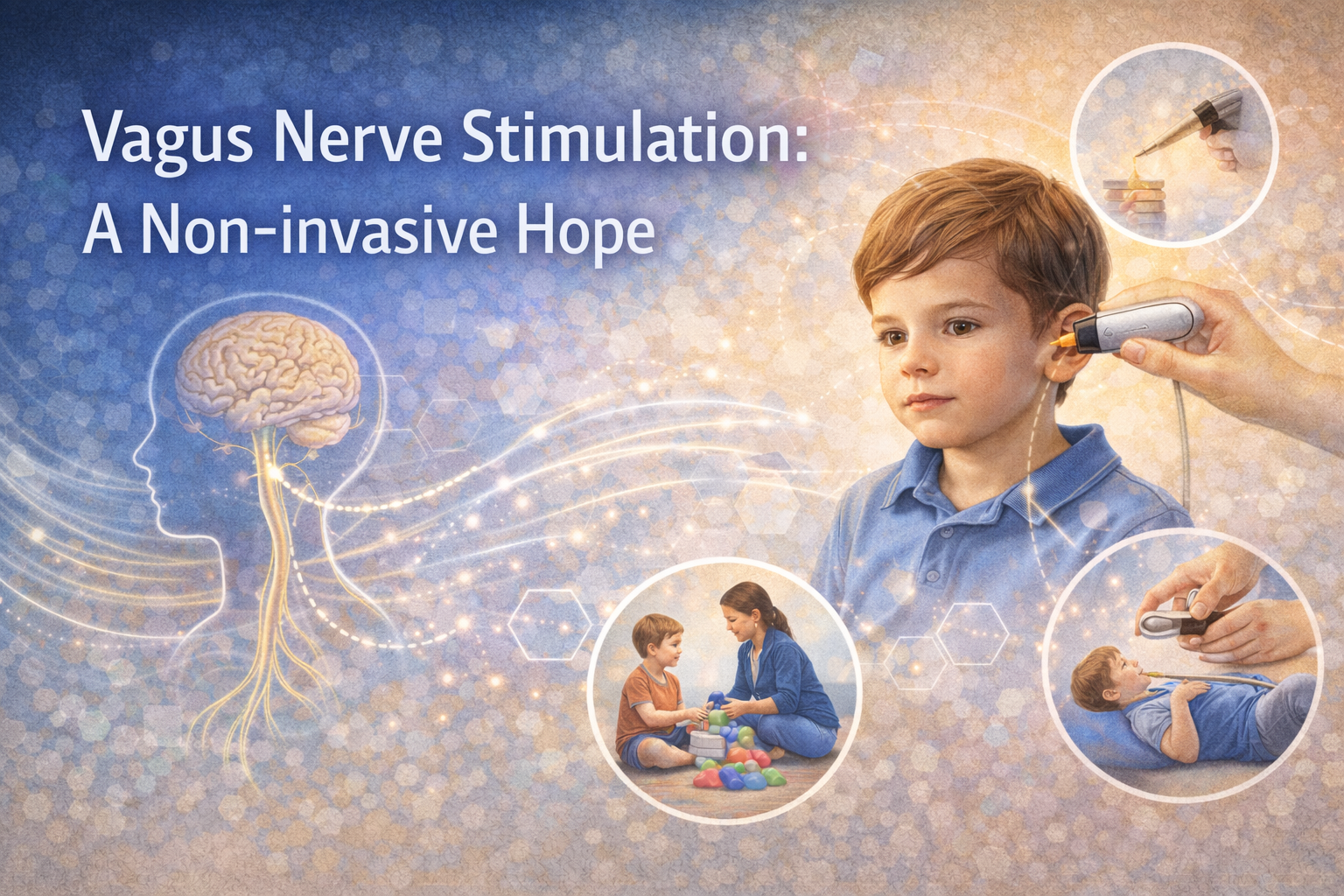
Vagus Nerve Stimulation: A Non-invasive Hope
When it comes to children with autism spectrum disorder (ASD), many caregivers seek therapies that address not just the symptoms but also the underlying neurological causes. One promising treatment gaining attention is transcutaneous vagus nerve stimulation (tVNS), a non-invasive therapy that shows potential in improving social communication, reducing repetitive behaviours, and even easing comorbid conditions like anxiety.
What Is the Vagus Nerve?
The vagus nerve is like a superhighway connecting the brain to various parts of the body, including the heart, lungs, and digestive system. It plays a critical role in regulating mood, stress, and social behaviour. In children with ASD, the vagus nerve often functions differently, which may contribute to challenges with emotional regulation and interaction.
Traditionally, vagus nerve stimulation required surgical implantation of a device. However, tVNS offers a safer, non-invasive alternative. By stimulating the vagus nerve through the ear, tVNS sends gentle electrical signals to the brain, promoting better communication between neural pathways.
How tVNS Benefits Children with ASD
Studies suggest that tVNS can:
- Enhance social communication: Children often show improvements in interpreting social cues and engaging with others.
- Reduce repetitive behaviours: The therapy may help balance neural activity, minimising behaviours like hand-flapping or spinning.
- Improve emotional regulation: Many parents report that their children become calmer and more adaptable to change.
One fascinating aspect of tVNS is its ability to influence the brain’s neuroimmune system, which regulates inflammation and mood. By calming overactive responses, the therapy can create a more stable environment for the brain to develop.
The Therapy Process
tVNS sessions are simple and painless. At BrainSTIM we use a peripheral nerve stimulator called a ‘Stimpod’, it is a pen like item that touches the cymba conchae of the ear. This stimulates the sensory pathway of the Vagus nerve while we also use a safe essential oil on the tongue to stimulate the motor pathway at the same time. We also use vibration on the body as well as the mouth. These sessions are conducted by trained professionals and are often paired with other interventions, such as sensory integration therapy or behavioural programs, to maximise results.
While tVNS is not a cure-all, it represents an exciting step forward in ASD treatment. Research continues to explore its full potential, but early findings suggest that it can significantly enhance the quality of life for children and their families.
A Step Toward Hope
For parents navigating the complexities of ASD, tVNS offers a ray of hope. Its non-invasive nature makes it an appealing option for those seeking alternatives to medication or invasive procedures. If you think your child might benefit from tVNS, consult a specialist to explore whether this innovative therapy could be part of their journey toward growth and independence.
Uncategorized
COMMENTS: No Comments
 07 Jan 2026
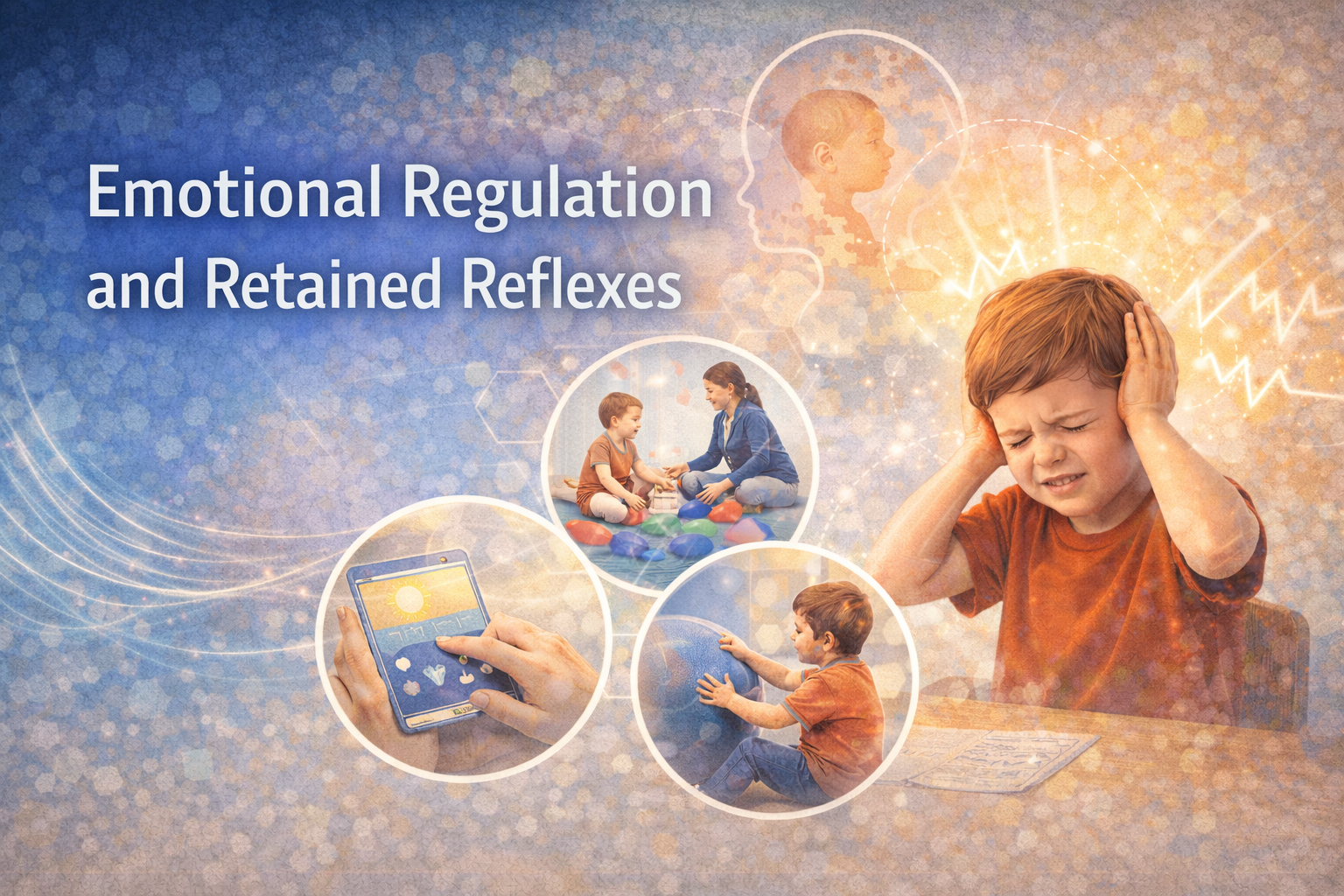
Emotional Regulation and Retained Reflexes
Have you ever noticed your child reacting strongly to sudden noises, bright lights, or changes in routine? For many parents of children with developmental delays or autism spectrum disorder (ASD), these heightened reactions can be a daily challenge. One underlying cause may be retained primitive reflexes (RPRs)—early, automatic movements that persist beyond infancy and affect emotional regulation.
The Role of Reflexes in Emotional Responses
Primitive reflexes, such as the Moro reflex, are survival mechanisms. For newborns, the Moro reflex triggers a startle response when they experience unexpected stimuli, like a loud noise or a change in position. This reflex is designed to prepare the body for fight or flight, but in typical development, it fades by around six months of age.
When the Moro reflex is retained, it can keep a child’s nervous system on high alert. This may result in:
- Heightened sensitivity: Reacting strongly to sensory input like loud sounds, bright lights, or touch.
- Difficulty calming down: Struggling to self-soothe after a triggering event.
- Emotional outbursts: Overwhelming feelings of frustration or fear that lead to meltdowns.
These challenges often make it difficult for children to adapt to new situations, focus in noisy environments, or feel comfortable in social settings.
How Retained Reflexes Disrupt Emotional Growth
Retained reflexes keep the brain’s stress-response system active, preventing the development of higher-order functions in the frontal lobe. This part of the brain plays a key role in managing emotions, making decisions, and calming stress responses. When reflexes like the Moro reflex remain active, the brain struggles to balance these processes, leading to emotional and sensory dysregulation.
For parents and caregivers, this can look like a child who seems perpetually ‘on edge’, frequently overreacting to small frustrations or appearing overwhelmed in stimulating environments.
Therapies to Foster Emotional Regulation
Fortunately, therapies targeting retained reflexes can help children regain control over their emotions. Professionals use techniques like:
- Rhythmic movement exercises: Simple, repetitive actions that mimic the movements babies naturally make to integrate reflexes.
- Sensory integration therapy: Activities designed to desensitise the nervous system and help the brain process sensory input more effectively.
- Breathing and relaxation exercises: Teaching children to calm their bodies and regulate their nervous systems during stress.
Research shows that children undergoing these therapies often experience reduced sensory sensitivities, improved focus, and fewer emotional outbursts. Over time, their ability to handle stress and adapt to new situations grows, giving them greater confidence in their daily lives.
Creating a Supportive Environment
Parents and caregivers can play a crucial role in supporting their child’s emotional growth. Creating a calm, predictable environment can help reduce triggers while reinforcing progress made in therapy. Gentle encouragement and patience go a long way as children navigate their journey toward emotional regulation.
Remember, progress may be gradual, but every step forward builds resilience and self-confidence. By addressing retained reflexes, you can help your child gain the tools they need to manage their emotions and thrive in the world around them.
Uncategorized
COMMENTS: No Comments
 07 Jan 2026
How Reflex Retention Impacts Learning
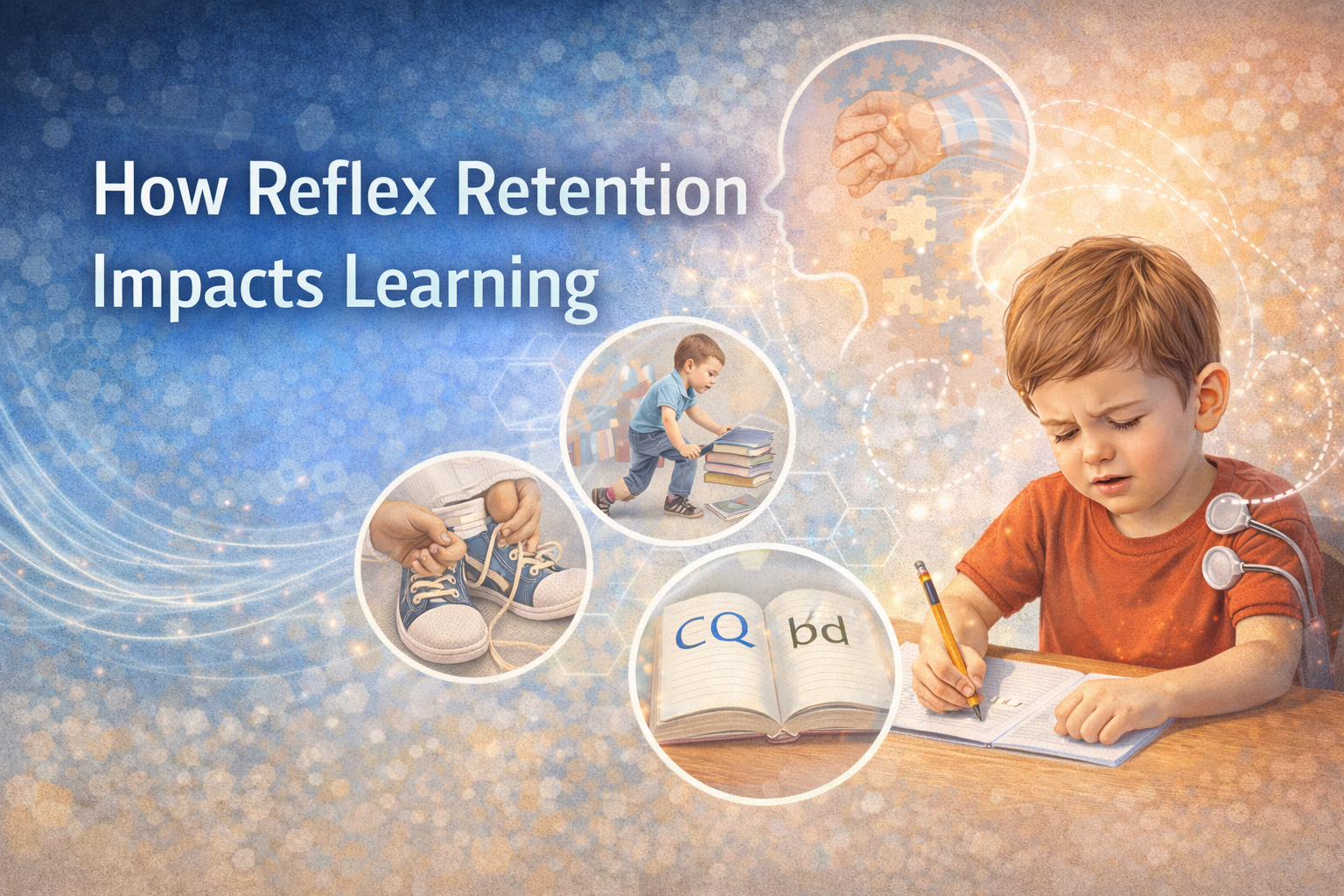
Every parent dreams of seeing their child excel in school, whether that’s acing their first spelling test or learning to ride a bike. But for some children, retained primitive reflexes (RPRs) create unseen barriers to learning and motor development. These lingering reflexes—typically integrated between six and 12 months of age—can disrupt the body’s natural coordination and brain development, leading to challenges in academics and daily life.
The Connection Between Reflexes and Learning
Primitive reflexes are hardwired, automatic responses that help babies survive and grow during their first months of life. For instance, the Palmar Grasp reflex enables newborns to grasp objects instinctively, an action vital for early interaction with their environment. While critical for infancy, these reflexes need to be ‘switched off’ as the brain matures and voluntary motor skills take over.
When reflexes linger beyond infancy, they can interfere with motor coordination, posture, and cognitive processes. For example, a retained asymmetric tonic neck reflex (ATNR)—which causes a baby’s arm to extend when their head turns—can make it difficult for children to cross their midline. Crossing the midline is essential for tasks like reading left to right or writing smoothly across a page. Without it, children may struggle with handwriting, letter reversals, and even visual tracking.
How Retained Reflexes Show Up in Learning
Parents might notice subtle signs of RPRs affecting their child’s academic performance or physical coordination. These signs can include:
- Difficulty with fine motor skills: Trouble holding a pencil, tying shoes, or using scissors.
- Clumsiness: Frequently tripping, bumping into objects, or struggling with balance.
- Challenges in focus: Difficulty maintaining attention or switching between tasks.
- Poor posture: Slouching during activities like writing or reading.
Such behaviours can make schoolwork feel overwhelming, leading to frustration and a lack of confidence in the classroom.
Therapies to Address Reflex Retention
The good news is that retained reflexes can be identified and integrated with targeted therapies. Exercises have been designed to replicate the movements infants naturally make to integrate these reflexes. For instance, crawling exercises can help organise the brain and body to overcome reflex-related barriers.
Additionally, sensory stimulation techniques, such as rhythmic exercises or balancing activities, work to recalibrate the brain’s neural pathways. These approaches encourage the brain to ‘rewrite’ its responses, creating a stronger foundation for learning and motor skills.
The Path to Success
By addressing RPRs, children often experience significant improvements in their academic and social lives. Reading becomes smoother, handwriting steadier, and focus more consistent. Many parents report seeing a newfound confidence in their children as they navigate tasks that once seemed insurmountable.
For parents, the journey begins with awareness. If your child seems to struggle with learning or coordination, consulting a professional who understands reflex retention can provide clarity. It’s never too late. Adults and teens can also integrate reflexes, not just for young children.
Uncategorized
COMMENTS: No Comments
 07 Jan 2026
Brain Hemispheres: A Delicate Balance
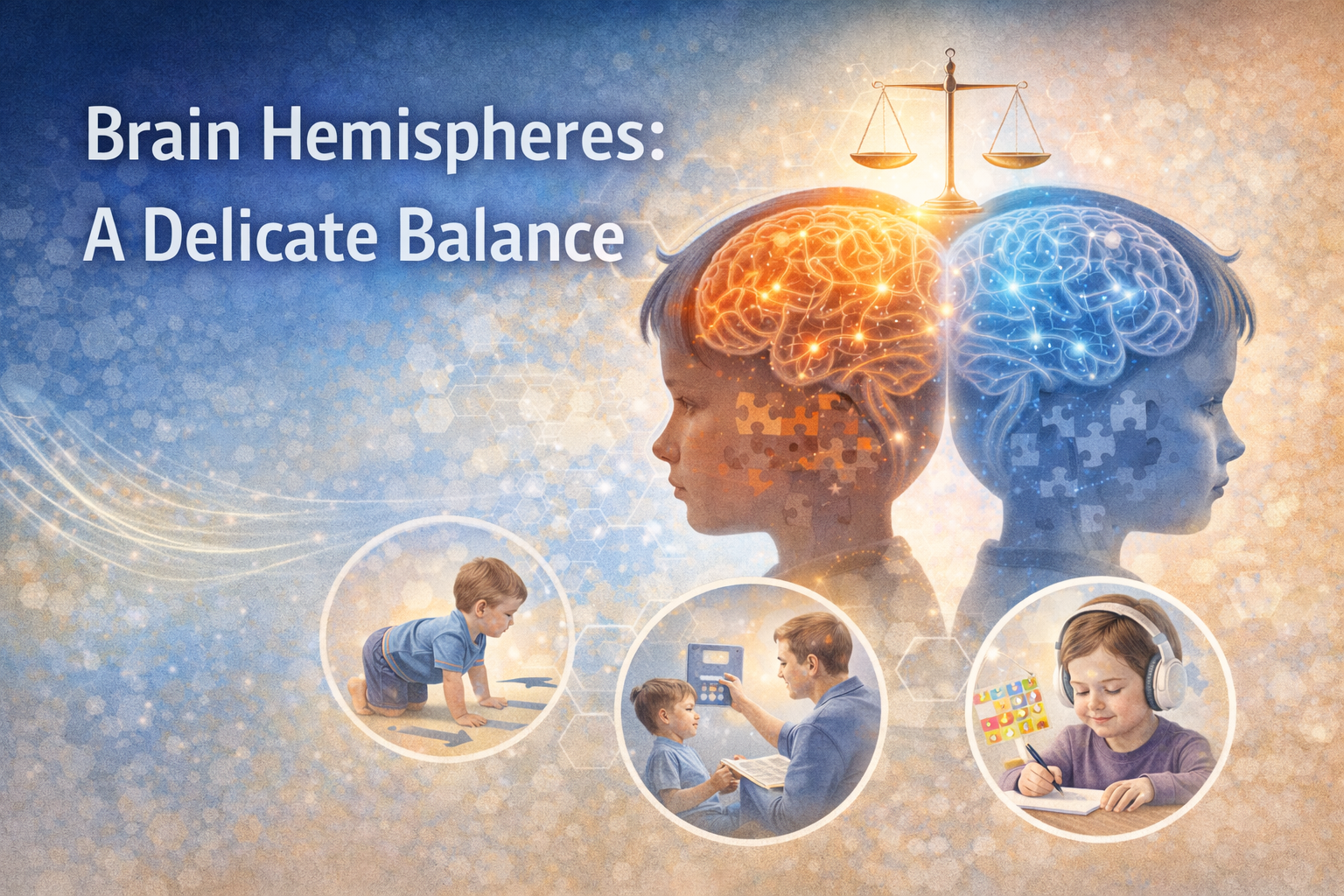
The human brain is like a perfectly timed orchestra, with each hemisphere playing its part. The right hemisphere excels in processing emotions, creativity, and big-picture thinking, while the left hemisphere focuses on logic, language, and detailed tasks. This balance is essential for smooth development, but in children with autism spectrum disorder (ASD) or developmental delays, the harmony between hemispheres can be disrupted.
Understanding Hemispheric Imbalance
Hemispheric imbalance occurs when one side of the brain develops more rapidly than the other. For example, in children with ASD, the left hemisphere may show overconnectivity, leading to intense focus on repetitive behaviours, while the right hemisphere lags, impacting emotional regulation and social skills. This imbalance can manifest as:
- Difficulty with social cues: Struggling to understand facial expressions or tone of voice.
- Motor challenges: Trouble with coordination and balance.
- Sensory processing issues: Overreacting to or avoiding sensory input.
Research also links retained primitive reflexes to hemispheric imbalance. Reflexes like the asymmetric tonic neck reflex (ATNR) can disrupt the natural development of neural pathways, further widening the gap between the hemispheres.
How Therapies Restore Balance
Therapies that address retained reflexes are vital in reestablishing balance between the brain’s hemispheres. These include:
- Crawling and bilateral movement exercises: Activities that engage both sides of the body to stimulate neural pathways in both hemispheres.
- Sensory stimulation: Techniques like transcutaneous electrical nerve stimulation (TENS) or rhythmic activities that promote hemispheric synchronisation.
- Cognitive exercises: Tasks that challenge underdeveloped skills, such as solving puzzles or interpreting social scenarios.
By targeting specific areas of imbalance, these therapies encourage the brain to function more cohesively, leading to improvements in attention, coordination, and social interaction.
The Power of Awareness
For parents and caregivers, understanding how hemispheric imbalance affects a child can provide clarity and direction. Recognising the signs of imbalance—whether it’s difficulty focusing, clumsiness, or struggles with social interaction—empowers families to seek the right interventions.
Balancing the brain’s hemispheres is a journey, but with patience, guidance, and tailored therapies, children can achieve greater harmony in their development. This balance not only helps them navigate challenges but also unlocks their potential to thrive academically, socially, and emotionally.
Uncategorized
COMMENTS: No Comments