
 08 Jan 2026
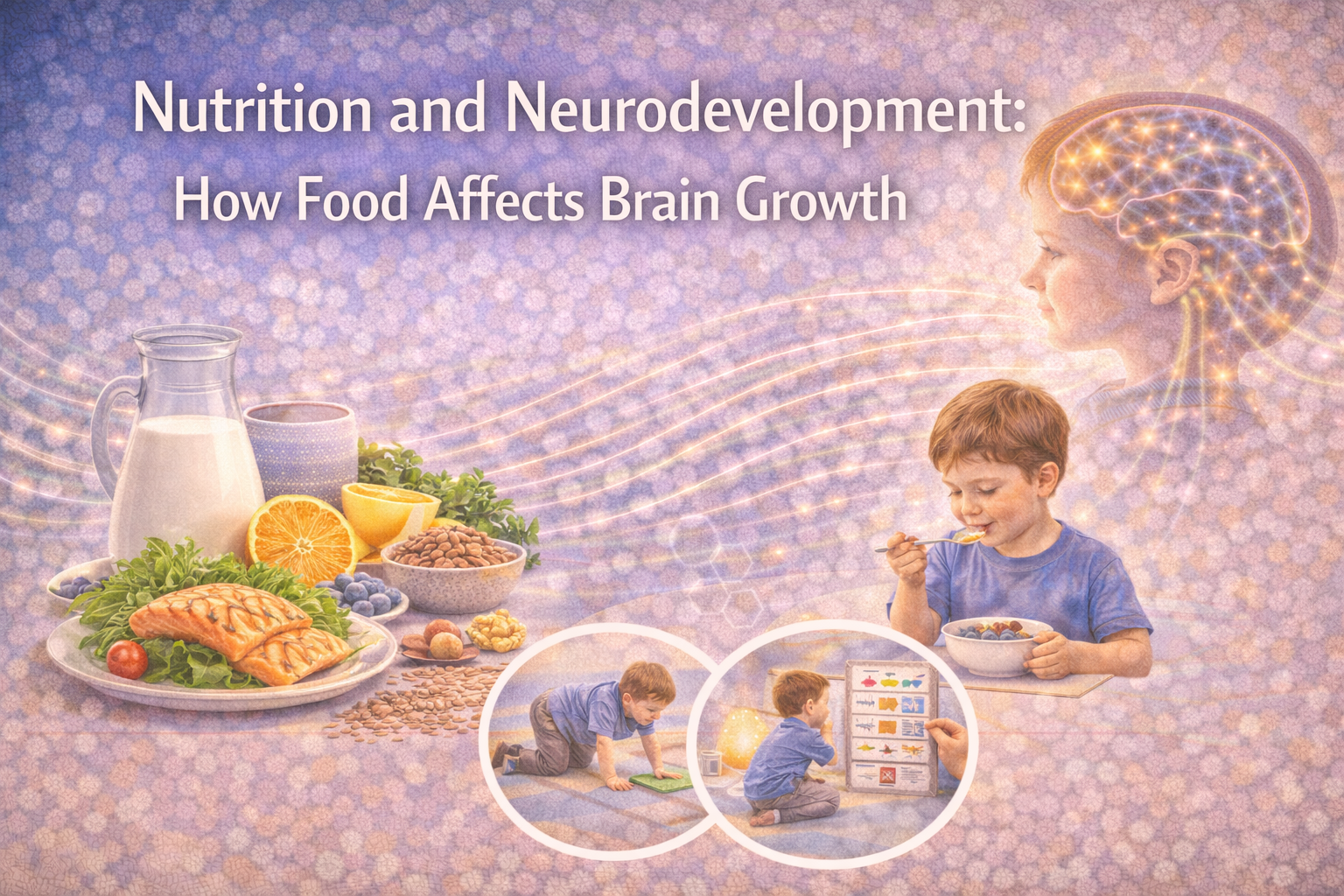
Nutrition and Neurodevelopment: How Food Affects Brain Growth
The adage “you are what you eat” rings especially true when it comes to children’s brain development. For children with autism spectrum disorder (ASD) or developmental delays, the right nutrition can play a significant role in supporting focus, emotional regulation, and overall progress in therapy. While therapy and exercises target the brain’s connectivity and function, food provides the fuel to make those connections stronger.
Nutrients like omega-3 fatty acids, found in fish and flaxseed, are known for their role in building healthy brain cells. These essential fats help maintain the structure of neural membranes and promote better communication between brain cells. Studies show that omega-3s can improve attention and reduce hyperactivity in children, making them an essential addition to the diets of children with developmental challenges.
Protein is another crucial component for brain health. It provides the building blocks for neurotransmitters, the chemical messengers that regulate mood and focus. Foods like eggs, lean meats, beans, and nuts are excellent sources of protein and can help stabilise blood sugar levels, preventing the energy crashes that often lead to irritability or loss of focus.
For families navigating sensory sensitivities, introducing new foods can be a challenge. Children with ASD often have strong preferences or aversions to certain textures, tastes, or colours. One approach is to introduce nutrient-rich foods gradually, mixing them with familiar favourites or presenting them in fun, visually appealing ways. Smoothies, for example, can be a wonderful way to incorporate leafy greens or omega-3-rich seeds without overwhelming a child’s palate.
Avoiding artificial additives, excessive sugar, and processed foods can also make a significant difference. These ingredients can exacerbate hyperactivity or lead to mood swings, undermining the progress made in therapy. Instead, focusing on whole, unprocessed foods ensures that children receive the vitamins and minerals they need for optimal brain function.
Hydration is another often-overlooked factor in brain health. Even mild dehydration can affect cognitive performance, so encouraging children to drink water throughout the day is essential. Infusing water with fruit or offering it in fun bottles can make hydration more appealing for reluctant drinkers.
By making small, consistent changes to their child’s diet, families can provide the brain with the nutrients it needs to thrive. Combined with therapy and exercises, a well-balanced diet is a powerful tool for unlocking a child’s potential.
Uncategorized
COMMENTS: No Comments
 08 Jan 2026
The Science of Calm: Helping Children Prepare for Their Day
For children with developmental delays or autism spectrum disorder (ASD), mornings can often feel like a whirlwind of chaos. Transitions from home to school or therapy settings can be overwhelming, triggering anxiety or meltdowns. However, a calm and structured morning routine can set the tone for a more successful day, easing stress, and helping children feel centred.
The science behind calm mornings lies in the brain’s ability to regulate its stress responses. Children with retained primitive reflexes (RPRs) or sensory processing challenges often struggle with this regulation. The nervous system may remain in a heightened state of alertness, making it difficult to adapt to new environments or tasks. By incorporating calming techniques into their routine, parents can help soothe the nervous system, paving the way for better focus and emotional stability.
Starting the day with reflex integration exercises is one effective strategy. These movements stimulate the brainstem and promote hemispheric balance, reducing the likelihood of overstimulation. For instance, rhythmic activities like rocking or slow crawling can gently activate the brain without overwhelming it. These exercises can be paired with calming sensory inputs, such as soft lighting, soothing music, or weighted blankets, to create a more relaxing environment.
Breathing exercises are another powerful tool for achieving morning calm. Deep, slow breaths activate the parasympathetic nervous system, which counteracts stress responses and promotes relaxation. Teaching children simple breathing techniques, like inhaling for a count of four and exhaling for a count of six, can help them regulate their emotions more effectively.
Consistency is key when creating a morning routine. Children thrive on predictability, especially those with ASD or sensory sensitivities. Establishing a clear sequence of activities—wake-up time, breakfast, therapy exercises, and dressing—gives children a sense of control and reduces anxiety about what comes next. Visual schedules or checklists can be particularly helpful, offering a tangible guide for the day’s first steps.
Mornings can also be an opportunity for bonding. Sharing a quiet breakfast, reading together, or practicing exercises as a team can create moments of connection that set a positive tone for the day. For children who are particularly anxious, using this time to engage in activities that make them feel supported and understood can go a long way in building their confidence.
Calm mornings don’t just happen—they’re cultivated. By focusing on routines that balance the nervous system, encourage emotional regulation, and foster connection, families can transform the start of each day from a stressful hurdle to a foundation for success.
Uncategorized
COMMENTS: No Comments
 08 Jan 2026
Technology and Movement: A Powerful Pair for Child Development
The intersection of technology and movement is revolutionising the way we approach child development. For children with autism spectrum disorder (ASD) or developmental delays, therapies that combine these elements offer a dynamic and engaging way to stimulate the brain, integrate reflexes, and build critical skills. Technology alone often gets a bad rap—parents worry about too much screen time or passive engagement. But when paired with movement, it becomes a powerful tool for growth.
Interactive metronome systems are a perfect example of this synergy. These tools use rhythm and timing exercises to challenge the brain and body simultaneously. A child clapping in sync with a metronome’s beats might seem like a simple activity, but it’s doing far more than meets the eye. Each movement strengthens neural pathways that connect the brain’s timing centres to areas responsible for focus, coordination, and emotional regulation. Over time, these connections translate into real-world benefits, such as improved attention span and better motor control.
Virtual reality (VR) is another emerging tool making waves in therapy settings. Through immersive experiences, children can practise navigating social scenarios, overcoming sensory sensitivities, or mastering physical tasks. Imagine a child learning to cross a virtual street, complete with traffic sounds and visual cues. This controlled environment allows them to build confidence and skills without the unpredictability of real-life settings.
For parents, the appeal of these technologies often lies in their adaptability and engagement. Unlike traditional exercises, which can feel repetitive or mundane, tech-based activities are designed to be fun. They capture a child’s attention and keep them motivated, which is half the battle in any therapy program. More importantly, they provide immediate feedback, helping children adjust their movements or decisions in real time. This reinforcement is critical for learning and encourages persistence.
Critics of technology in therapy often argue that it detracts from traditional, hands-on methods. But this isn’t an either-or scenario. Technology complements movement-based therapies rather than replacing them. It adds another layer of engagement and customisation, making it easier to address a child’s unique needs.
The beauty of combining technology with movement lies in its ability to meet children where they are. Whether it’s through rhythm exercises, immersive environments, or gamified challenges, these tools make therapy accessible, enjoyable, and effective. For families navigating the complexities of developmental delays, this pairing of innovation and activity offers a path to progress that’s as dynamic as it is promising.
Uncategorized
COMMENTS: No Comments
 08 Jan 2026
The Hidden Role of Play in Emotional Development
Play is often dismissed as a simple pastime, a filler between more structured activities. Yet for children with developmental delays or autism spectrum disorder (ASD), play can be transformative. Far from being frivolous, it provides an essential foundation for emotional growth and resilience. In the world of therapy, structured play often takes centre stage, but unstructured, imaginative play—the kind children naturally engage in—is equally critical. It’s in these moments of creativity that children learn to navigate emotions, solve problems, and build connections with others.
For children who struggle with emotional regulation, play offers a safe space to experiment with feelings and scenarios. Pretend play allows them to step into different roles, try out new ideas, and rehearse responses to situations they might find challenging in real life. A child pretending to be a teacher, for example, can explore what it feels like to be in charge, express authority, and navigate the responsibilities that come with it. These rehearsals in imagination translate into real-world skills over time, helping children feel more confident and capable.
Unstructured play also offers children the opportunity to practice problem-solving. Whether they’re figuring out how to stack blocks without them toppling or deciding the rules of a make-believe game, they are learning how to think critically and adapt to challenges. This process builds not only cognitive skills but also emotional resilience. When a tower collapses or a game doesn’t go as planned, children have the chance to experience disappointment in a low-stakes environment and figure out how to move forward.
For parents of children with developmental delays, encouraging play might feel daunting. The demands of structured therapies and daily routines can leave little room for free time. But even short bursts of play, integrated into daily life, can make a significant difference. Simple activities like dress-up, building with blocks, or creating stories with action figures offer a wealth of opportunities for emotional and social growth. The key is to let the child lead the activity. By following their cues, parents and caregivers can provide gentle guidance while allowing the child to explore their interests and ideas freely.
Play also fosters connection. Shared moments of laughter and creativity strengthen the bond between parent and child, creating a safe space where children feel supported and understood. For children who might struggle to express their emotions verbally, play becomes a language of its own, offering insights into their thoughts and feelings. A child building a ‘fortress’ out of cushions might be expressing a need for security, while a game of ‘rescuing animals’ could reflect a desire to be seen as helpful and capable.
In a world where therapy and intervention often focus on structured activities, it’s easy to overlook the profound benefits of something as simple as play. But for children navigating the complexities of developmental delays, these unstructured moments are where some of the most meaningful growth happens. Play is not just a break from therapy; it’s a vital tool in helping children develop the emotional skills they need to thrive.
Uncategorized
COMMENTS: No Comments
 08 Jan 2026
Creating a Supportive Environment for Growth
Every child deserves a space where they feel safe, supported, and empowered to grow. For children with autism spectrum disorder (ASD) or developmental delays, creating a nurturing environment at home can make all the difference. A supportive environment doesn’t just help children feel comfortable—it actively contributes to their progress, providing the foundation they need to thrive in therapy, school, and everyday life.
A supportive environment starts with meeting your child’s unique sensory, emotional, and physical needs. Children with developmental challenges often struggle with sensory processing, making them more sensitive to sounds, lights, textures, or even certain smells. Addressing these sensitivities at home creates a space where they can feel calm and focused. Simple adjustments, like using soft lighting instead of harsh fluorescents, incorporating noise-cancelling tools, or offering tactile comfort items such as weighted blankets, can dramatically reduce sensory overload. These changes help children regulate their emotions, which in turn supports their ability to engage in learning and play.
Predictability is another cornerstone of a supportive environment. For children with developmental delays, the world can often feel overwhelming and unpredictable. Establishing clear routines and consistent schedules helps reduce anxiety and builds a sense of security. Knowing what to expect each day allows children to focus on their tasks and interactions instead of worrying about surprises. Tools like visual schedules, which use pictures or symbols to outline the day’s activities, can be incredibly effective in creating a structured and reassuring routine.
Parents and caregivers play a crucial role in fostering emotional support within this environment. Positive reinforcement, patience, and encouragement go a long way in building a child’s confidence and resilience. Acknowledging their efforts, no matter how small, helps children feel valued and motivates them to keep trying. Simple phrases like “You’re doing such a great job!” or “I love how hard you worked on that!” can provide a sense of accomplishment and pride.
It’s also essential to create opportunities for bonding. Spending quality time with your child, whether it’s through play, shared meals, or reading together, strengthens the emotional connection and provides a safe space for them to express their feelings. These moments of connection remind children that they are not alone in their journey and that their progress matters deeply to their family.
Physical spaces can also be designed to encourage growth and learning. Setting up a dedicated area for therapy exercises, sensory play, or quiet time gives children a sense of ownership and focus. This space doesn’t have to be elaborate—just a small corner with therapy tools, sensory bins, or calming elements like beanbags or fidget toys. Having a designated area helps children associate that space with positive, productive activities.
Flexibility is just as important as structure. While routines and designated spaces are vital, being adaptable to your child’s needs is key. Some days, a child might need extra sensory input, while other days, they might need quiet and rest. A supportive environment is one that evolves with the child, meeting them where they are at any given moment.
Creating a supportive environment isn’t just about physical or sensory adjustments—it’s about fostering a mindset of empowerment and possibility. This means celebrating your child’s progress, no matter how small, and encouraging them to take pride in their accomplishments. It’s about showing them that their home is a place where they are free to explore, learn, and grow without fear of judgment or failure.
A supportive environment is a partnership between parents, caregivers, and the child. It’s a shared commitment to building a space where the child feels understood, encouraged, and capable. By creating this foundation, families not only support their child’s development but also nurture a sense of belonging and confidence that will serve them throughout their life. Progress begins at home, and with a supportive environment, children can truly thrive.
Uncategorized
COMMENTS: No Comments
 08 Jan 2026
Small Wins: Celebrating Developmental Milestones
For families navigating the challenges of developmental delays or autism spectrum disorder (ASD), progress often feels like a series of small, incremental steps. It’s easy to focus on long-term goals and overlook the importance of celebrating the little victories along the way. But these ‘small wins’ are far more than fleeting moments of joy—they are the building blocks of lasting change and growth.
Each milestone, no matter how small, represents a breakthrough in your child’s journey. The first time they hold a pencil correctly, tie their shoes, or follow a multi-step instruction might seem minor in the grand scheme of things, but these moments are evidence that their brain and body are adapting, learning, and growing. Celebrating these achievements reinforces the effort that both you and your child are putting into therapy and daily routines, fostering a positive mindset that keeps progress moving forward.
Small wins are especially important for building your child’s confidence. Many children with developmental delays or ASD struggle with feelings of frustration when tasks don’t come as easily to them as they do to their peers. Acknowledging their achievements, no matter how modest, reminds them that they are capable and resilient. It shifts the focus from what’s challenging to what’s possible, giving them the motivation to keep trying. Over time, this confidence becomes a foundation for tackling larger goals and overcoming more complex obstacles.
For parents, celebrating small wins is equally vital. The road to progress can be long and unpredictable, and it’s easy to feel discouraged when significant milestones seem far off. By pausing to recognise the progress being made—however incremental—you create moments of gratitude and hope that sustain you through the tougher days. These celebrations also help you maintain perspective, reminding you that every step forward, no matter how small, is a step closer to your child’s potential.
The ways you choose to celebrate don’t have to be extravagant. Simple verbal praise like, “I’m so proud of how you tried today!” can go a long way in reinforcing your child’s efforts. Visual trackers, such as sticker charts or progress graphs, can make achievements tangible and exciting. For some families, turning celebrations into shared experiences, like a favourite meal or a special outing, adds an extra layer of connection and joy.
Celebrating small wins is also a powerful teaching tool. It helps children associate effort with positive outcomes, showing them that persistence pays off. This is particularly valuable for children who may find certain tasks daunting. Recognising their progress, even in tiny increments, teaches them to break larger goals into manageable pieces and approach challenges with determination.
These moments are more than just celebrations—they are opportunities to deepen your bond with your child. By celebrating together, you show them that their efforts are seen, valued, and supported. It fosters a sense of partnership in their journey, reminding them that they’re not navigating this path alone.
In the larger picture, these small wins add up to something far greater. Each success builds on the last, creating momentum that propels your child forward. Over time, what once seemed like small victories become transformative milestones. The cumulative effect of these moments is a testament to the power of consistency, perseverance, and the incredible potential within every child.
So, celebrate those first steps—literal or figurative. Mark the moment when your child writes their name for the first time or spends a full minute balancing on one foot. Every accomplishment, no matter how small it may seem, is a victory worth cherishing. These wins are the threads that weave the fabric of your child’s growth, creating a brighter future one achievement at a time. For parents, these moments are a reminder that progress is always happening, even if it doesn’t look the way you expected. Small wins matter—they are proof that the journey is worth every effort.
Uncategorized
COMMENTS: No Comments
 08 Jan 2026
Tackling ADHD Without Medication
Attention deficit hyperactivity disorder (ADHD) can present unique challenges for children and their families, affecting focus, impulse control, and emotional regulation. While medication is a common and effective treatment option, many parents seek alternative or complementary therapies to support their child’s development. For children with ADHD, movement-based interventions and brain-stimulating activities offer a promising path forward, helping to manage symptoms without relying solely on medication.
ADHD often stems from imbalances in brain activity, particularly in the areas responsible for attention, timing, and executive function. Children with ADHD may struggle to sustain focus, regulate their behaviour, or complete tasks in a structured way. For some, these challenges are exacerbated by retained primitive reflexes (RPRs)—early reflexes that remain active beyond infancy and interfere with the brain’s ability to process information efficiently. Addressing these reflexes and encouraging the brain’s natural development can help alleviate ADHD symptoms and create a stronger foundation for growth.
One effective non-medication approach is Interactive Metronome Therapy. This rhythm-based therapy challenges children to match their movements to an auditory or visual beat, improving their ability to focus and control impulses. Each session strengthens the brain’s timing centres, particularly in the cerebellum and prefrontal cortex, which play a key role in attention and decision-making. Children often find this therapy engaging, as it feels like a game while delivering measurable improvements in their ability to concentrate.
Cognitive Behavioural Therapy (CBT) is another powerful tool for children with ADHD. Unlike movement-based therapies, CBT focuses on teaching strategies for managing impulsive behaviours and organizing thoughts. Through structured sessions, children learn how to break down tasks, create routines, and cope with frustration in constructive ways. Parents can also participate in CBT, learning techniques to support their child’s progress at home.
Dietary adjustments are another consideration for families seeking holistic approaches. While food is not a direct cause of ADHD, certain dietary changes can support brain health and improve focus. A balanced diet rich in proteins, whole grains, and omega-3 fatty acids provides the nutrients needed for optimal brain function. Additionally, reducing processed foods, artificial additives, and sugar can help stabilise energy levels and minimise hyperactive behaviours.
Physical activity is a simple yet powerful way to manage ADHD symptoms. Exercise releases endorphins, which help regulate mood and reduce hyperactivity. Activities like martial arts, swimming, or even regular outdoor play not only improve physical health but also teach discipline and self-control. The structure of these activities can be particularly beneficial for children who struggle with impulsivity.
For children with RPRs, targeted reflex integration exercises can complement these approaches. Movements like crawling, balancing, or clapping in rhythm stimulate the nervous system and encourage the integration of lingering reflexes, freeing up the brain to focus on higher-order tasks. These exercises are easy to incorporate into daily routines and can be tailored to each child’s needs.
The journey to managing ADHD without medication requires commitment and creativity, but it offers families an empowering way to address challenges. By combining therapies like Interactive Metronome, CBT, dietary changes, and regular exercise, parents can build a holistic plan that supports their child’s unique strengths and needs. With time and patience, children can develop the skills and confidence to navigate their world more effectively, unlocking their full potential in the process. For families, the reward lies in watching their child thrive, equipped with tools and strategies that nurture growth from the inside out.
Uncategorized
COMMENTS: No Comments
 08 Jan 2026
Building Motor Skills for Better Coordination
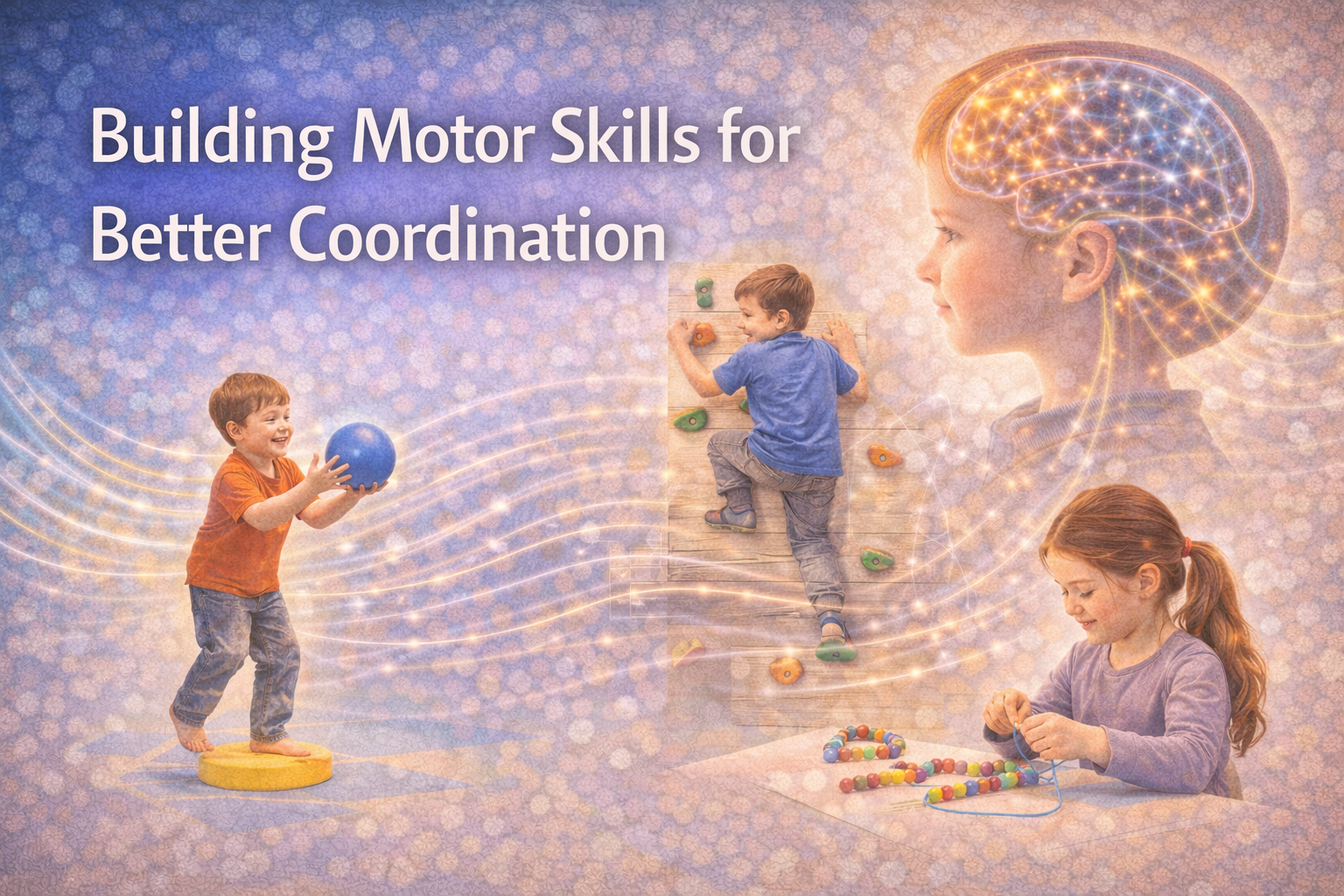
For children with developmental delays or autism spectrum disorder (ASD), the world can sometimes feel like a maze of obstacles. Simple tasks such as walking steadily, catching a ball, or even holding a pencil can be more challenging for them than they are for their peers. These difficulties stem from delays in developing motor skills—both gross and fine—that are crucial for independence and confidence. Fortunately, targeted activities and therapies can help children overcome these challenges and build the coordination they need to thrive.
Motor skills are divided into two categories: gross motor skills, which involve large movements like running, jumping, or balancing; and fine motor skills, which require precision, such as tying shoes, drawing, or using utensils. These skills rely on the brain’s ability to coordinate input from multiple systems, including sensory processing, muscle control, and spatial awareness. For children with developmental delays, retained primitive reflexes (RPRs) often disrupt these processes, making tasks that should feel natural seem almost impossible.
Primitive reflexes, such as the Palmar Grasp reflex (which causes infants to instinctively grasp objects), are essential in infancy but should naturally integrate into the nervous system as a child grows. When these reflexes persist beyond infancy, they can interfere with more advanced motor skills. For example, a retained Palmar Grasp reflex might make it difficult for a child to hold a pencil correctly, affecting handwriting and other fine motor tasks. Similarly, challenges with gross motor coordination—such as difficulty balancing on one foot—can be linked to retained reflexes like the Moro reflex or the Tonic Labyrinthine reflex.
To address these barriers, therapies often focus on activities that replicate the natural movements babies make to integrate reflexes and develop motor control. Balancing exercises, like standing on one foot or walking on a balance beam, are particularly effective for gross motor development. These activities strengthen the vestibular system, which helps the brain process spatial and movement information. Similarly, strength-building tasks such as climbing, pushing, or pulling objects can improve muscle tone and coordination, giving children greater control over their movements.
Fine motor skills require a different approach, often involving precise, repetitive actions to develop dexterity and hand-eye coordination. Games like threading beads, stacking small objects, or tracing patterns can be both fun and effective for children. Even seemingly simple activities like squeezing playdough or drawing shapes engage the fine motor systems and encourage neural connections.
The benefits of improving motor skills go far beyond physical coordination. As children master movements that once seemed out of reach, their confidence grows. This newfound self-assurance spills over into other areas of life, whether it’s engaging in social activities, participating in school, or taking on new challenges at home. Parents often report that as their children become more coordinated, they also become more willing to try new things, further accelerating their development.
For families, the journey to better motor skills can be as rewarding as the destination. Every small milestone—a steadier walk, a firmer grip, or a more coordinated jump—represents a victory. With patience, consistency, and the right interventions, children can overcome the hurdles of motor skill delays and unlock their full potential, one step at a time.
Uncategorized
COMMENTS: No Comments
 08 Jan 2026
Sensory Integration: Building a Better Future
For children with developmental delays or autism spectrum disorder (ASD), the world can feel like an overwhelming swirl of sights, sounds, and sensations. Sensory integration therapy offers a way to help children process sensory information more effectively, creating a foundation for improved motor skills, focus, and emotional regulation.
What Is Sensory Integration Therapy?
Sensory integration therapy is designed to help children respond to sensory input in a balanced way. For some children, certain sensory inputs—like a loud noise or a rough texture—can trigger distress or avoidance. Others may seek excessive sensory stimulation, such as spinning or bouncing, to feel calm and centred.
The therapy focuses on engaging the brain’s sensory pathways through structured activities that promote better processing and response. These activities target the senses, including touch, sound, sight, movement, and proprioception (the sense of body position).
How Sensory Integration Therapy Helps
For children with retained primitive reflexes (RPRs), sensory integration therapy is especially valuable. Reflexes like the Moro reflex or the Palmar Grasp reflex can heighten sensory sensitivities, making everyday experiences overwhelming. Therapy helps integrate these reflexes, paving the way for more advanced brain functions.
Benefits of sensory integration therapy include:
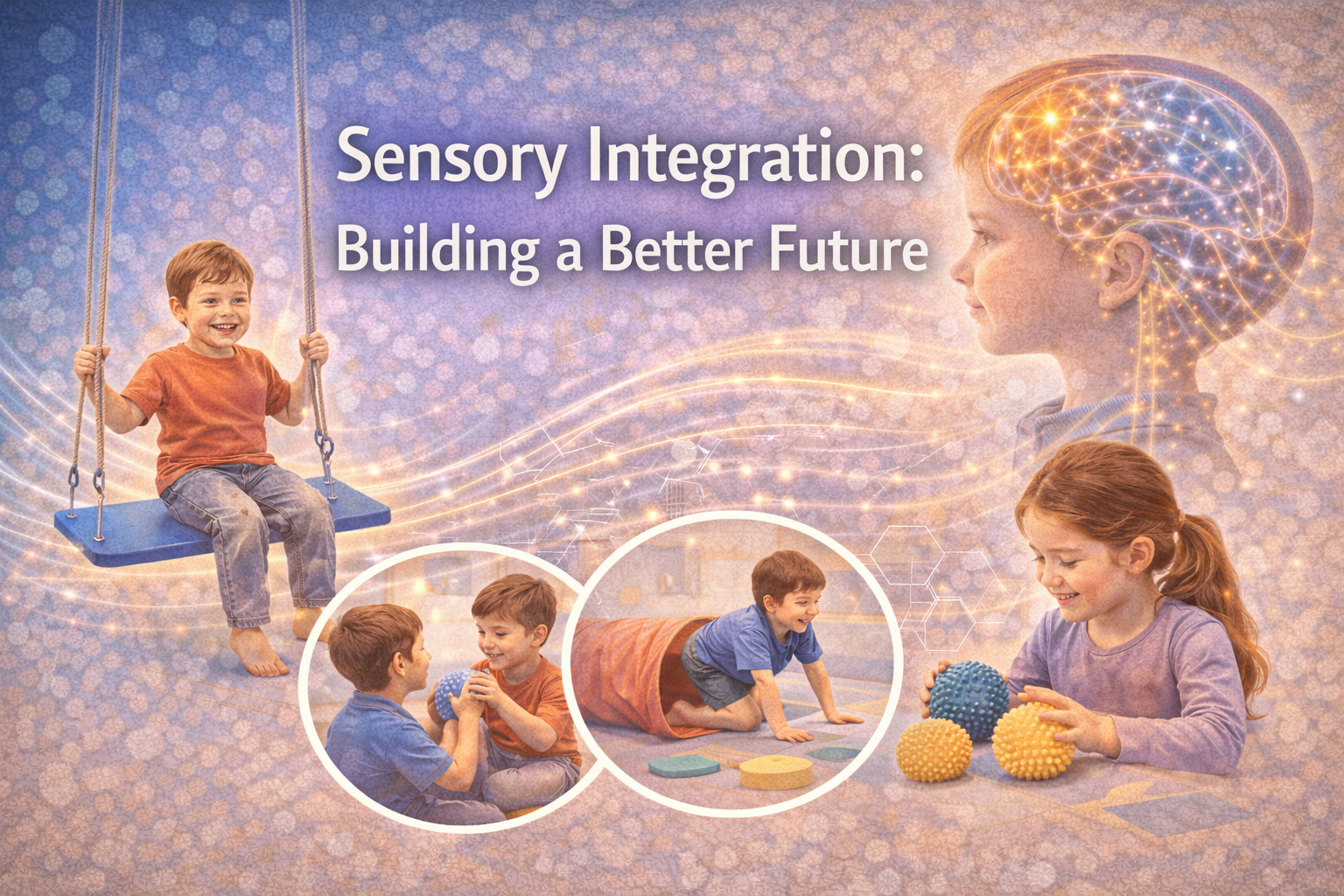
- Improved motor skills: Activities like swinging or climbing enhance coordination and balance.
- Better focus: Reducing sensory overwhelm allows children to concentrate on tasks.
- Enhanced emotional regulation: Calming techniques help manage meltdowns and anxiety.
What Happens During a Session?
Therapy sessions are tailored to each child’s needs. They may involve:
- Swinging: Spinning encourages balance and vestibular integration.
- Playing with textures: Builds tactile tolerance and reduces sensitivity.
- Obstacle courses: Combine motor and sensory tasks to engage multiple brain areas.
These activities not only promote sensory integration but also make therapy enjoyable and engaging.
Empowering Parents and Children
Parents can extend the benefits of sensory therapy at home by creating sensory-friendly environments. Using weighted blankets, fidget tools, or noise-cancelling headphones can help children feel more comfortable and confident in their daily lives.
By addressing sensory processing challenges, sensory integration therapy helps children build the skills they need to thrive in school, at home, and in the community.
Uncategorized
COMMENTS: No Comments
 08 Jan 2026
The Science of Asymmetry in Autism
The human brain is a beautifully complex structure, with each hemisphere specialising in different tasks. This lateralisation is essential for efficient functioning, but in children with autism spectrum disorder (ASD), brain asymmetry often develops differently, contributing to unique challenges in motor skills, social interactions, and communication.
Understanding Brain Asymmetry
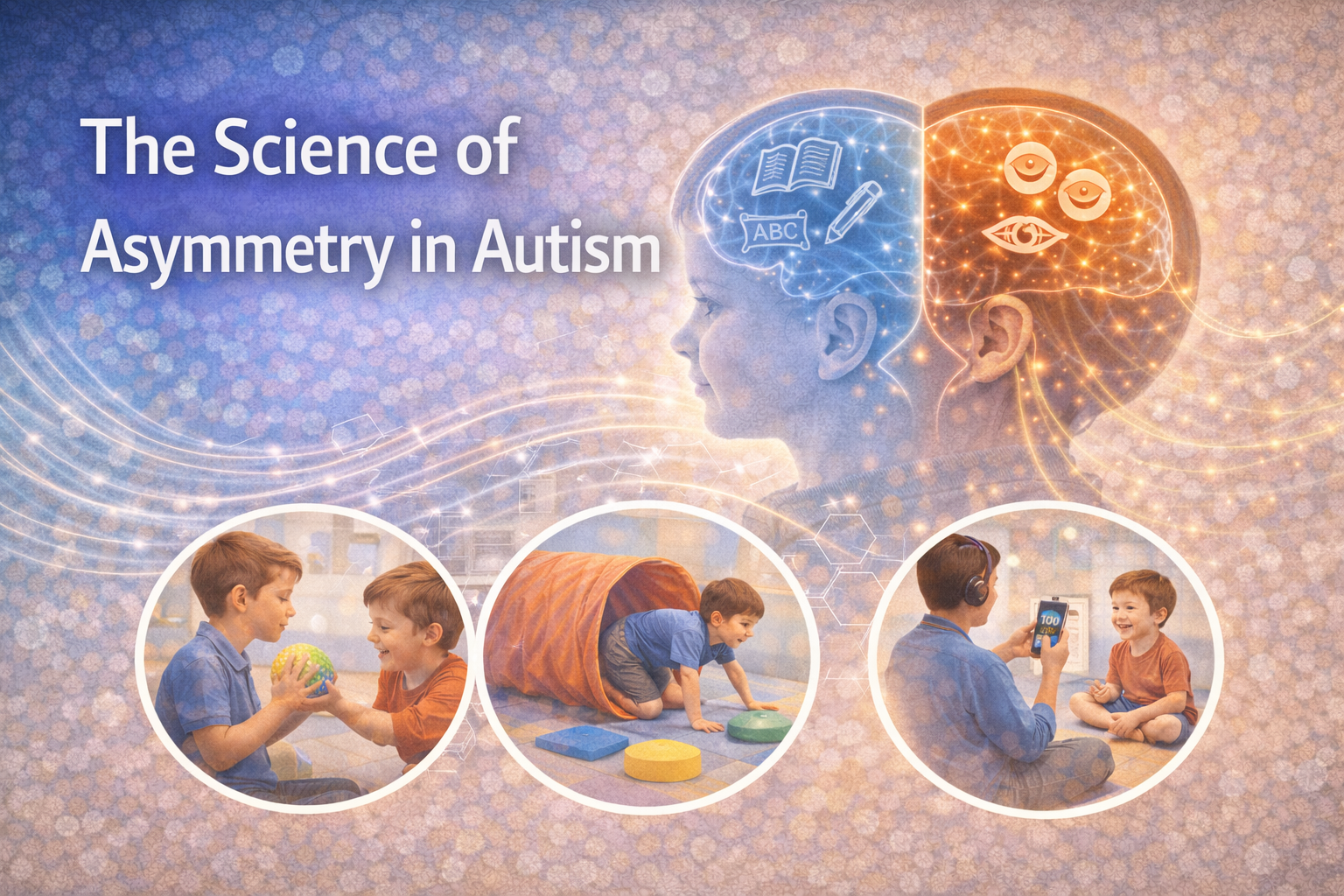
Brain asymmetry refers to the specialisation of the left and right hemispheres. The left hemisphere typically handles language, logic, and detail-oriented tasks, while the right hemisphere governs creativity, emotions, and big-picture thinking. This division of labour allows the brain to process information efficiently.
In children with ASD, research suggests that these hemispheric roles may not develop as expected. Imbalances, such as underconnectivity in long-range neural pathways and overconnectivity in short-range networks, can disrupt the brain’s ability to synchronise and process information smoothly. This may lead to:
- Motor difficulties: Trouble with balance and coordination.
- Sensory challenges: Heightened sensitivity to sounds, lights, or textures.
- Social and emotional struggles: Difficulty interpreting social cues or regulating emotions.
The Role of Retained Reflexes
Retained primitive reflexes (RPRs) can contribute to these asymmetries by interfering with the brain’s natural development. For example, reflexes that should fade in infancy may persist, consuming neural resources that would otherwise support more advanced skills.
Therapies to Rebalance the Brain
Targeted interventions can help restore balance between the brain’s hemispheres, fostering better connectivity and coordination. These include:
- Bilateral movement exercises: Activities like crawling or crossing the midline encourage communication between hemispheres.
- Sensory integration therapy: Techniques that reduce sensory overwhelm and promote smoother processing.
- Interactive technologies: Tools like metronome therapy, which enhance timing and rhythm.
By addressing asymmetry, these therapies can unlock considerable progress in motor skills, focus, and emotional regulation.
Hope for Caregivers
Understanding brain asymmetry offers valuable insights into the challenges faced by children with ASD. With the right support, families can help their children achieve greater balance and harmony in their development, paving the way for a brighter future.
Uncategorized
COMMENTS: No Comments