
The Science of Calm: Helping Children Prepare for Their Day
For children with developmental delays or autism spectrum disorder (ASD), mornings can often feel like a whirlwind of chaos. Transitions from home to school or therapy settings can be overwhelming, triggering anxiety or meltdowns. However, a calm and structured morning routine can set the tone for a more successful day, easing stress, and helping children feel centred.
The science behind calm mornings lies in the brain’s ability to regulate its stress responses. Children with retained primitive reflexes (RPRs) or sensory processing challenges often struggle with this regulation. The nervous system may remain in a heightened state of alertness, making it difficult to adapt to new environments or tasks. By incorporating calming techniques into their routine, parents can help soothe the nervous system, paving the way for better focus and emotional stability.
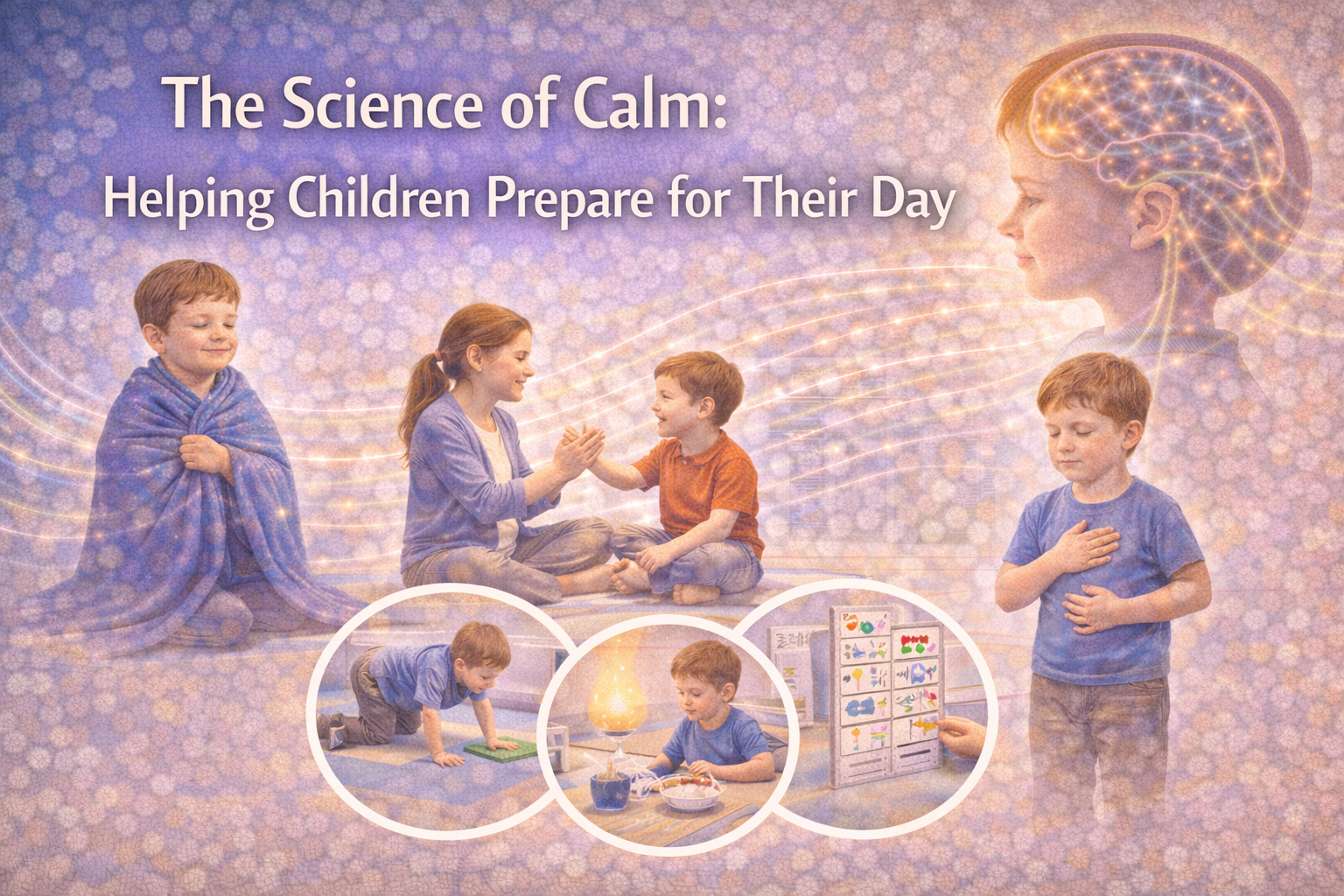
Starting the day with reflex integration exercises is one effective strategy. These movements stimulate the brainstem and promote hemispheric balance, reducing the likelihood of overstimulation. For instance, rhythmic activities like rocking or slow crawling can gently activate the brain without overwhelming it. These exercises can be paired with calming sensory inputs, such as soft lighting, soothing music, or weighted blankets, to create a more relaxing environment.
Breathing exercises are another powerful tool for achieving morning calm. Deep, slow breaths activate the parasympathetic nervous system, which counteracts stress responses and promotes relaxation. Teaching children simple breathing techniques, like inhaling for a count of four and exhaling for a count of six, can help them regulate their emotions more effectively.
Consistency is key when creating a morning routine. Children thrive on predictability, especially those with ASD or sensory sensitivities. Establishing a clear sequence of activities—wake-up time, breakfast, therapy exercises, and dressing—gives children a sense of control and reduces anxiety about what comes next. Visual schedules or checklists can be particularly helpful, offering a tangible guide for the day’s first steps.
Mornings can also be an opportunity for bonding. Sharing a quiet breakfast, reading together, or practicing exercises as a team can create moments of connection that set a positive tone for the day. For children who are particularly anxious, using this time to engage in activities that make them feel supported and understood can go a long way in building their confidence.
Calm mornings don’t just happen—they’re cultivated. By focusing on routines that balance the nervous system, encourage emotional regulation, and foster connection, families can transform the start of each day from a stressful hurdle to a foundation for success.
Uncategorized
COMMENTS: No Comments